Burn emergencies can happen to anyone, anywhere. Knowing how to respond quickly can save lives and reduce harm. Burn emergencies are serious injuries that need fast action. Because burns can cause pain, infection, or even life-threatening problems, it is important for everyone to understand what to do. In this blog, you will learn about burn symptoms, first aid for burns, treatment options, and how to prevent burns at home or outdoors.
What Are Burn Emergencies?
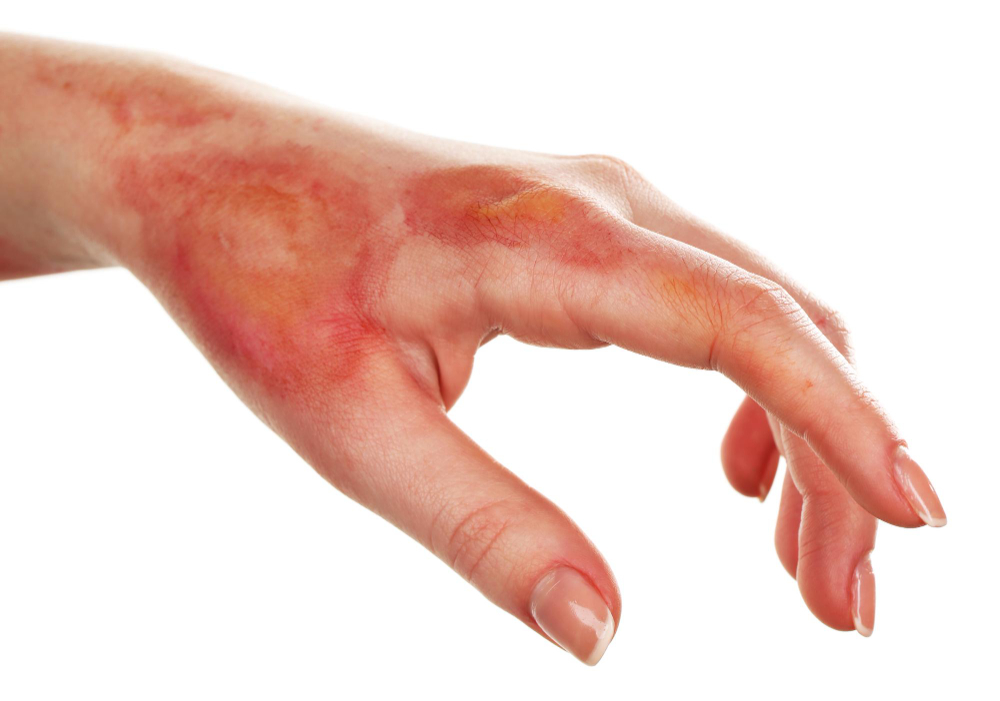
Burn emergencies are injuries caused by heat, chemicals, electricity, or radiation. These injuries damage the skin and sometimes deeper tissues. Often, burn emergencies need quick first aid and sometimes urgent medical care. Even small burns can become serious if not treated properly. Therefore, knowing how to act can make a big difference.
Symptoms and Types of Burns
Burns can look and feel different based on their depth and cause. Here are the main symptoms and types:
Other symptoms can include swelling, peeling skin, or shock in severe cases. If you notice these signs, act quickly.
Common Causes of Burn Emergencies
Burns can happen in many ways. Some leading causes include:
At home, most burns happen in the kitchen or bathroom. Outdoors, campfires and fireworks are common risks.
Immediate First Aid for Burns
Quick first aid for burns can limit damage. Follow these steps:
Always stay calm and act quickly. These steps can help prevent infection and further injury.
When to Seek Emergency Medical Help
Some burns need urgent care. Seek emergency help if:
In these cases, call emergency services right away. Quick action can save lives.
Medical Treatment Options
Doctors treat burns based on their type and severity. Treatment may include:
Sometimes, hospital care is needed for severe burns. Doctors will monitor healing and help prevent complications.
Prevention Tips
Preventing burn emergencies is possible with simple steps. Here are some tips:
By following these tips, you can reduce the risk of burns at home and outside.
Recovery and Aftercare
Proper care helps burns heal and lowers the chance of infection. To care for a burn at home:
Healing can take days to weeks. If you notice any problems, contact your healthcare provider.
If you or someone you know experiences a burn emergency, immediate care is crucial. Consult a healthcare professional at Dr Ananth Reddy Critical Care Hospital for personalized treatment and prompt attention. Quick action can make all the difference in managing burn injuries and preventing complications.
Contact Dr Ananth Reddy Critical Care Hospital for expert burn treatment and emergency care!